You start at a glacier. You finish up to your ankles in the sea. Between them lie 750 km, 43 stages, and three countries.
Alpe-Adria-Trail is not a ridge walk for calf maniacs. It is precisely the opposite. When they built it in 2012, they thought of "Genusswanderer", hikers who want to enjoy the walk, not suffer it. 750 km divided into 43 stages, each around 20 km, each about six hours. Yes, you gain 23,600 m of elevation, but spread over 43 days that is just a few hundred metres daily. No via ferratas. No drama at the brink. The gentleman among long-distance treks.
The core idea is simple and has made it famous worldwide: vom Gletscher zum Meer. From glacier to sea. National Geographic ranked it among its Top 7 Trails, and not by accident.
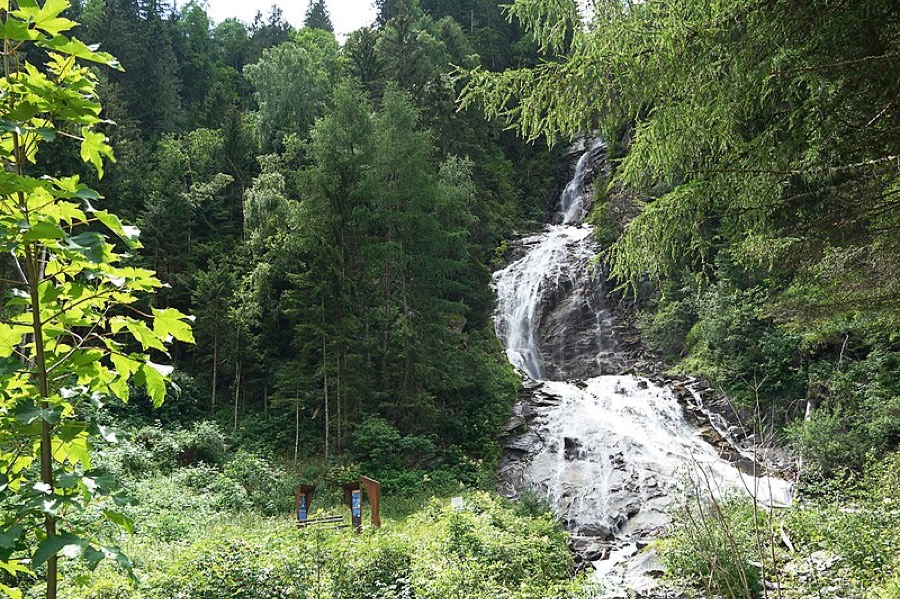
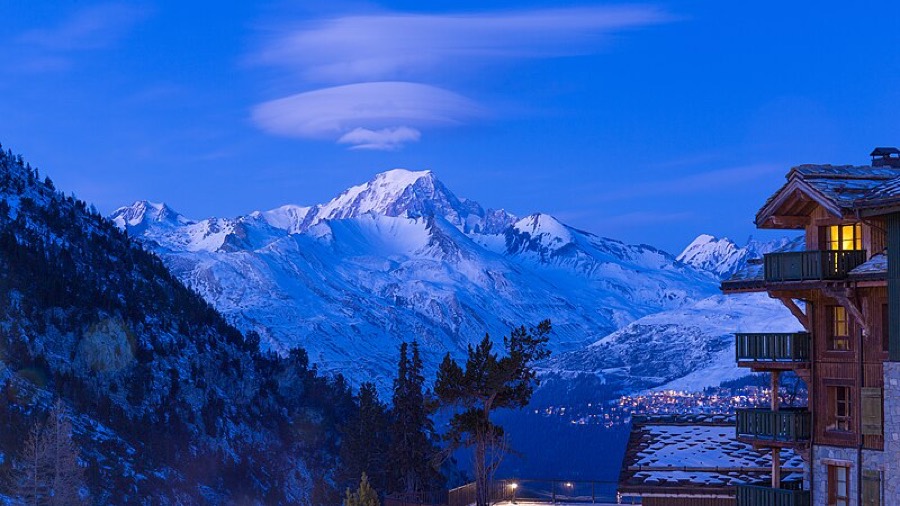
You depart from Heiligenblut, below Grossglockner, within sight of Pasterze, Austria's largest glacier, in the heart of High Tauern National Park. Your first days stay in mountains: Alpine meadows, roaring Mölltal valley waterfalls, mountain villages Döllach and Mallnitz. Then the trail descends into Carinthian lakes. At Millstatt and Seebodenm, Millstätter See opens, one of Carinthia's largest lakes, and the landscape softens. Along the way you pass Gurk's Romanesque cathedral and Friesach, Carinthia's oldest town, still ringed by its moat. Meanwhile, the trail stays low, circling the Dreiländereck, the point where three nations touch.
And then comes Slovenia and with it the strongest chapter. Over Kranjska Gora and through the Vršič pass you descend to Trenta valley at the Soča's source, the emerald river of the Julian Alps, one of Europe's most beautiful rivers. Bovec, Kobarid, Tolmin. Here mountains meet history: the Isonzo Front of World War I, the museum in Kobarid, Triglav National Park gorges, Boka waterfall with its 106-metre free fall. You gaze at turquoise water, then at century-old trenches.
Beyond Gorizia you enter Italy and Friuli, mountains give way. Brda wine region vineyards, the star-shaped Venetian stronghold Palmanova, Roman Aquileia with its basilica, Grado's lagoon. The final stage leads to Muggia at Trieste, and the last step belongs to the Adriatic.
For whom? For long-distance hikers who want kilometres and culture, not high-altitude risks. Anyone managing 20 km daily can finish the whole trail. And those without six weeks off can do it in sections, stages connect and signage is continuous.
When to go? Season runs roughly May through October. Alpine start below Grossglockner prefers summer when passes are snow-free. The southern, Mediterranean section around the Soča and Friuli is pleasant in spring and autumn when no heat oppresses below.
How to reserve? Attention: this is not classic hut-to-hut along Alpenverein huts. You sleep in villages, guesthouses, and hotels beside the trail. Lodging, baggage transfer, and individual stages are handled by the official Alpe-Adria-Trail Booking Center, order a package and you walk light.
You began at a glacier. Now you stand ankle-deep in the Adriatic. Forty-three days of walking between two states of the same water.
Pick a start date, for every night on the route you instantly see the free beds and book directly through the official Alpenverein system.



 AT
AT DE
DE CH
CH EN
EN FR
FR IT
IT NL
NL SL
SL SK
SK CZ
CZ