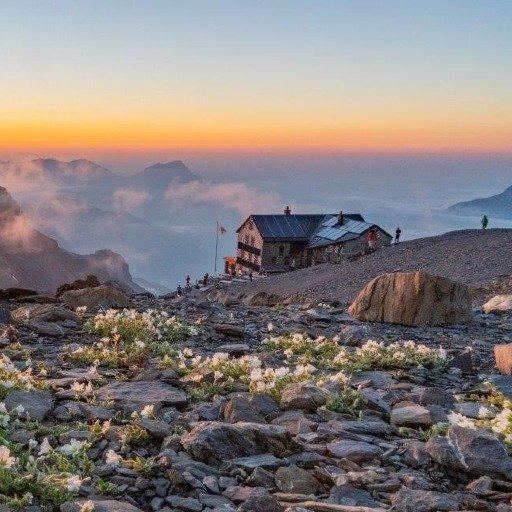
Four days. Three huts. One three-thousand-metre giant around which it all revolves. Kesch Trek in Swiss Graubünden isn't a chase for kilometres, it's a circuit around Piz Kesch (3418 m), the highest peak of the Albula Alps, across passes and pastures where you're more likely to meet a marmot than a mob.
It takes you from one pass to another: start at the Flüela Pass (Flüela Pass), finish down in Bergün on the famous Albula Railway, now a UNESCO site. Between them roughly fifty kilometres, three mountain huts of the Swiss Alpine Club (SAC), and one pass that will test you, Fuorcla Pischa at 2867 m, the highest point of the entire route. No via ferrata, no rope. Honest ridge hiking in one of the wildest corners of Graubünden, inside the Parc Ela nature preserve.
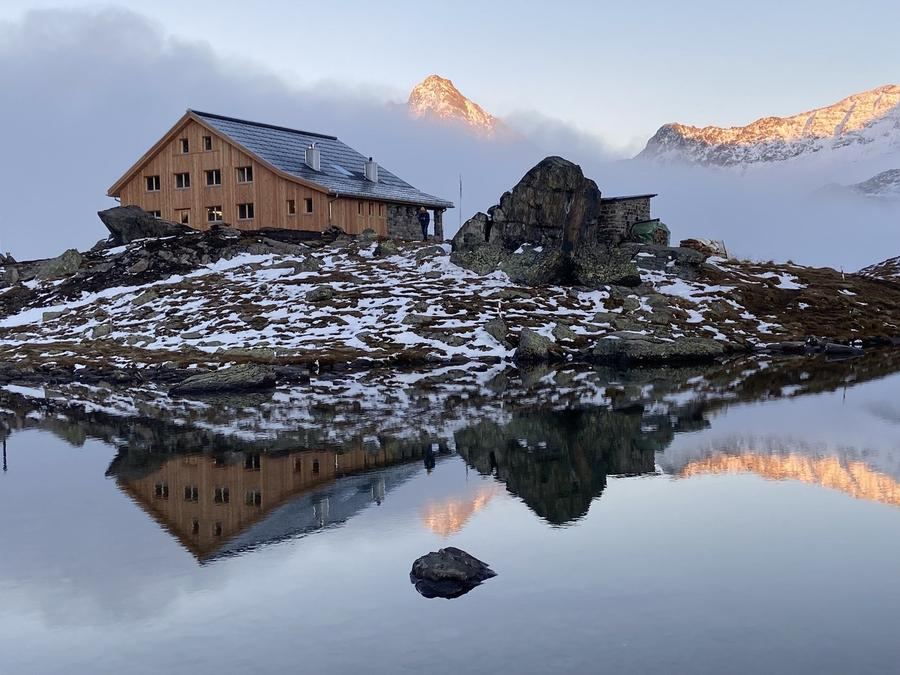
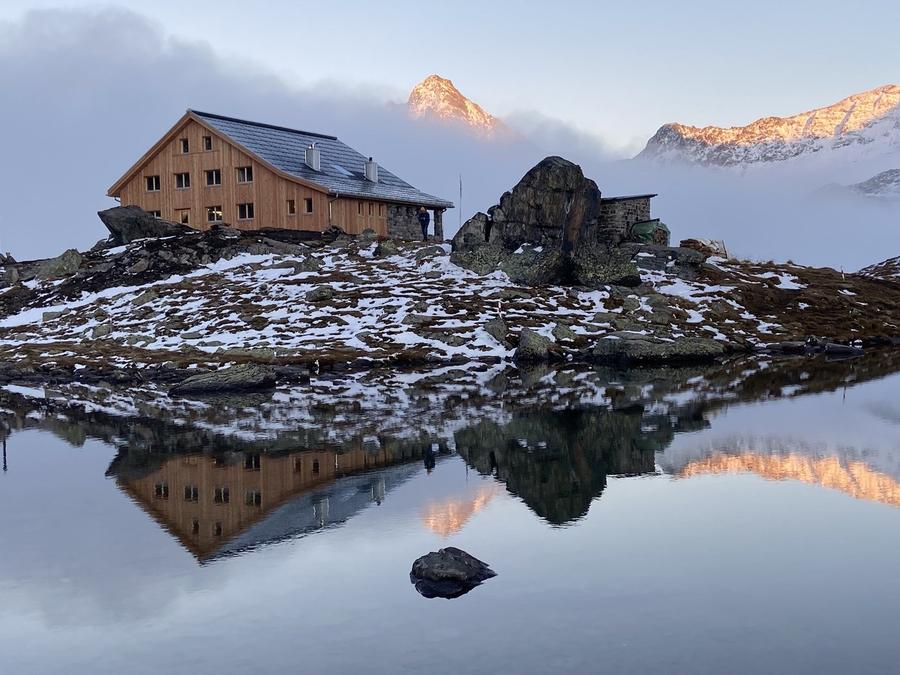
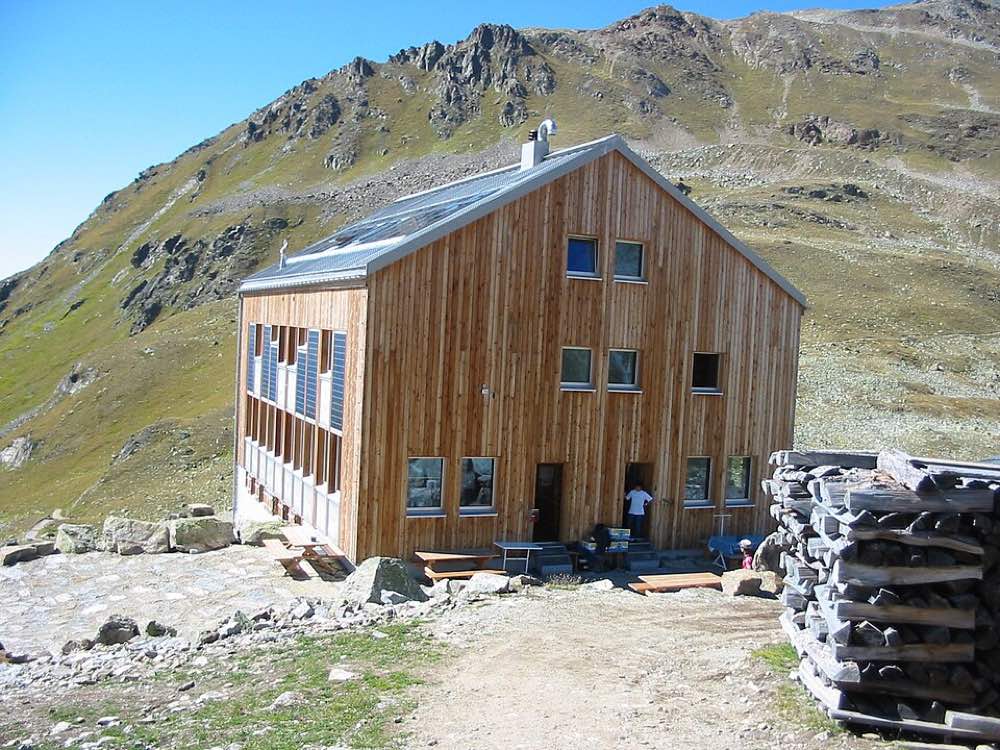
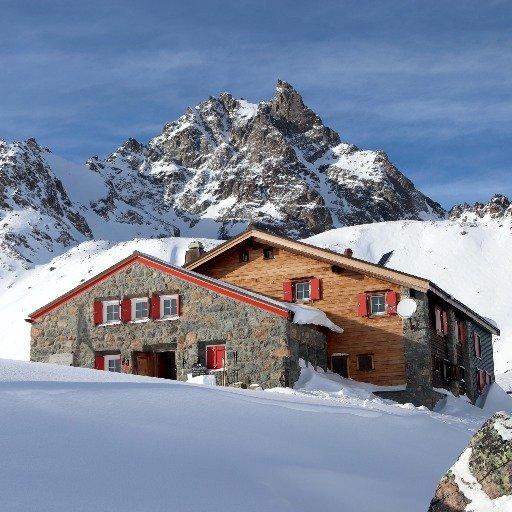
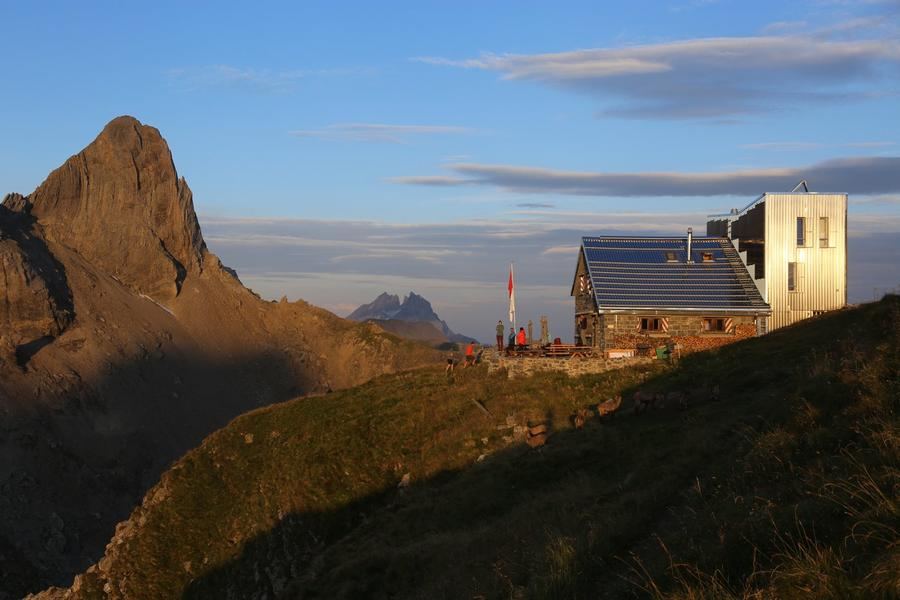
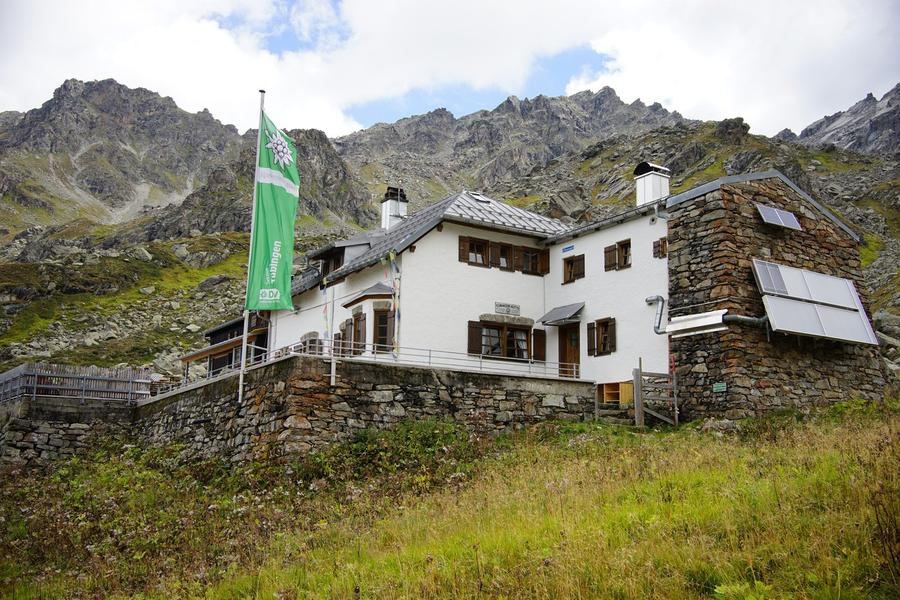
The first day is a warm-up, a bit over two and a half hours to the hut Grialetsch (2542 m), nestled between peat bogs and alpine flowers. The second day tightens: a traverse of Scaletta Pass, once a busy miller's trail, up and down again to Kesch-Hütte (2625 m). It stands directly below the north wall of Piz Kesch and beneath the tongue of the Vadret da Porchabella glacier, wake up from bed and you've got a three-thousand-metre giant and ice within arm's reach. The third day is the royal stage: up to Fuorcla Pischa, across high pastures to Chamanna d'Es-cha (2594 m). The final day is descent via the Albula Pass around the lake Palpuognasee, which the Swiss voted in 2007 as the most beautiful corner of the entire country. In autumn, when the larch slopes around it blaze gold, you'll see why.
What will you see? Piz Kesch nearly always. The Porchabella glacier from above and below. Deep valleys of Engadin and Albulathal, passes, bowls, and little lakes looking up at sky. This is classic Graubünden, no accident that Kesch Trek ranks among the most beautiful multi-day treks in the canton. Hut-to-hut as it should be: each evening warm soup, fresh legs each morning, and between them just you, your pack, and the ridge.
For whom? For a capable hiker with the fitness for five to six hours of hiking daily and legs used to rock. Technically nothing extreme, Swiss classification T2 to T3, meaning marked mountain paths, not climbing. But the third day will make your calves remember, don't kid yourself. Absolute beginner should start elsewhere. The season is short: huts tend to be booked solid in peak summer; outside that, you're going solo and at your own risk.
Bookings? They made it easy, the three huts Grialetsch, Kesch, and Es-cha have joined forces and offer Kesch Trek as a package with half-board and optional lunch packs. Even so, the iron rule of the Alps applies: reserve a bed at a mountain hut ahead, via SAC. Show up without a reservation and hope floats away faster than the clouds.
You don't have to summit Piz Kesch, that's glacier hiking itself, a different discipline. But all four days you've got it in your sights. You circle the giant and it watches you. That's all of Kesch Trek: not to conquer the peak, but to walk around it with respect.
Pick a start date, for every night on the route you instantly see the free beds and book directly through the official Alpenverein system.



 AT
AT DE
DE CH
CH EN
EN FR
FR IT
IT NL
NL SL
SL SK
SK CZ
CZ