They call them the Dead Mountains. Totes Gebirge. Not because anyone died here, but because the plateau is bare as a palm. Stone, stone, and more stone. Almost no grass; on the surface, not a drop of water. Water disappears underground here. Beneath your feet lie over 600 caves and one of Europe's largest karst massifs, nearly 300 km² of Dachstein limestone. The Schönberg cave system burrowing into it is the Eastern Alps' longest: 135 km of passages, over 1,000 metres deep.
And you walk across the summit. From Hinterstoder in Upper Austria to Grundlsee in Styrian Salzkammergut. 35 km, 2,500 metres of elevation gain, three to four days, four huts. A multiday trek across the plateau's crest where you clamber out of forest into a moonscape and back into greenery, ending at a lake you can swim in.
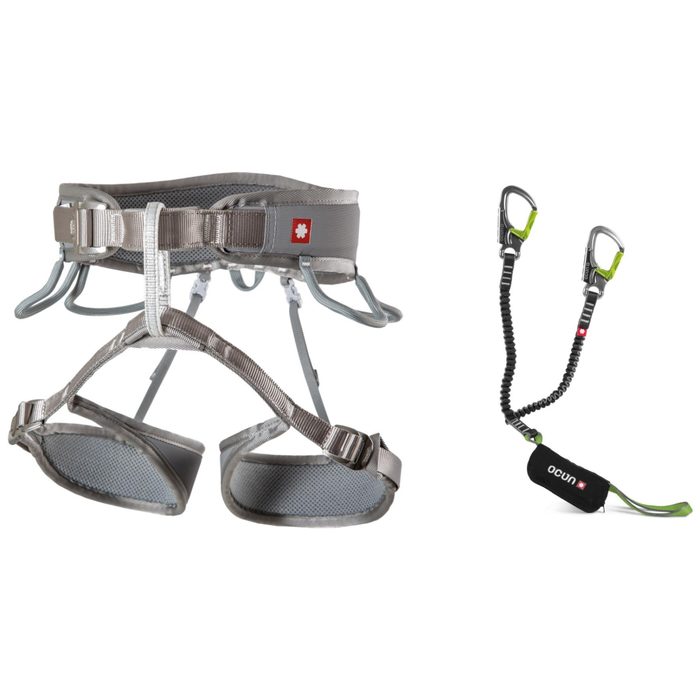
Why this circuit? Because the Großer Priel sits in the middle, 2,515 m, the range's highest peak and an ultra-prominent summit. On the route, it appears on day two; the final ascent to the top is rope-secured. It is not a via ferrata, but the day across Priel has fixed passages with steel cable and exposure you will feel in your calves and your head.
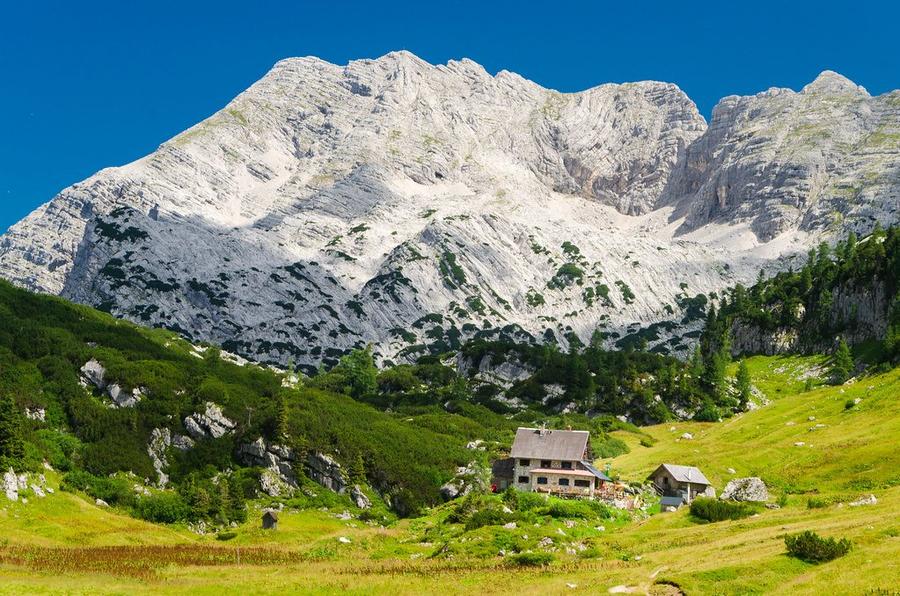
Terrain here is the main draw. The karst plateau is terrain without logic: sinkholes, ravines, razor-sharp white limestone that stretches for kilometres. En route over Kühkar you will pass, according to Austrian guides, the Alps' northernmost permanent snowfield. Up high, wind and stone; down low, scrub and lakes. That contrast is the trek's entire point.
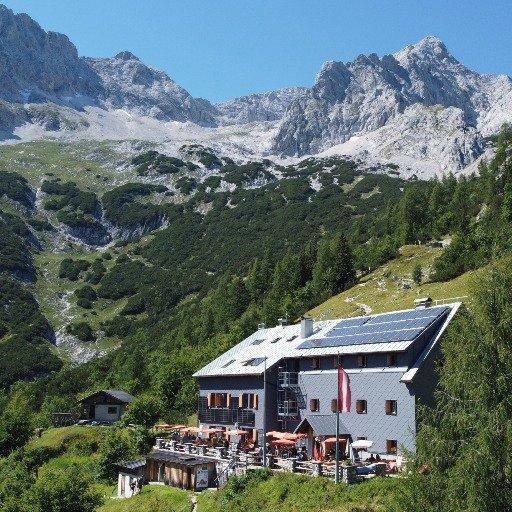
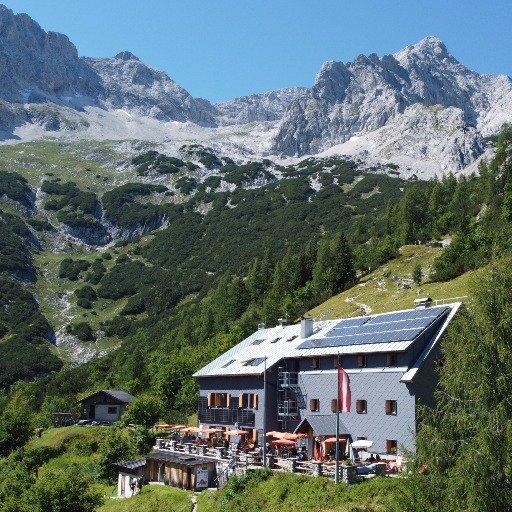
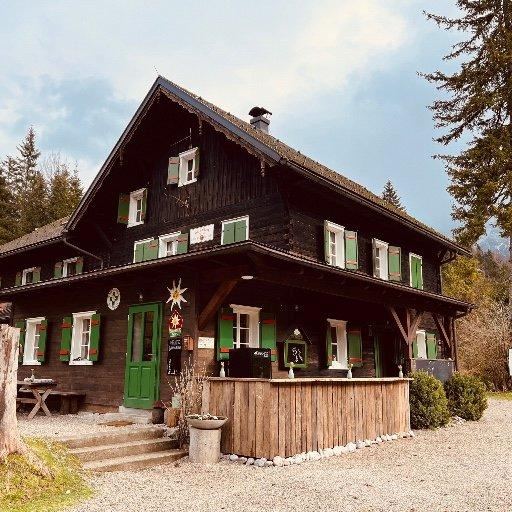
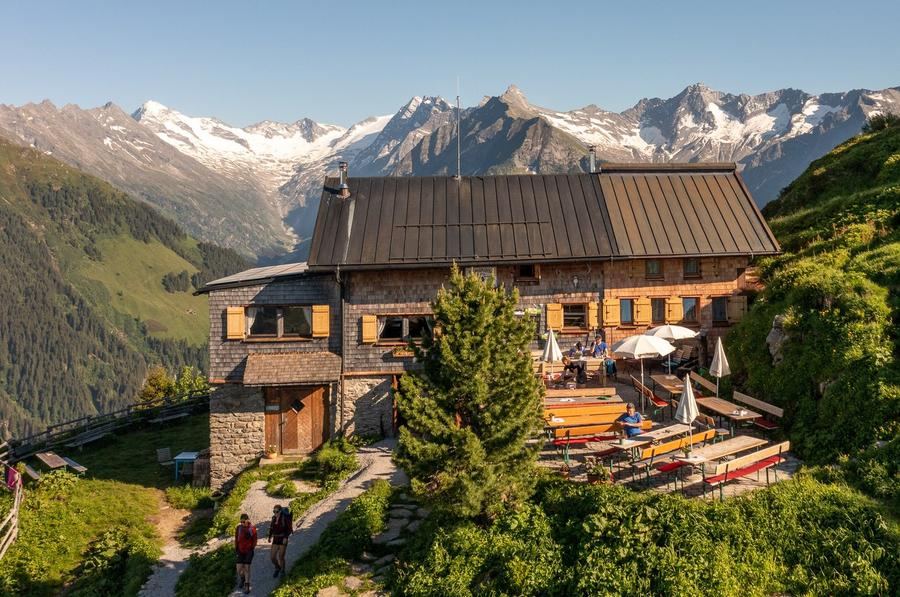
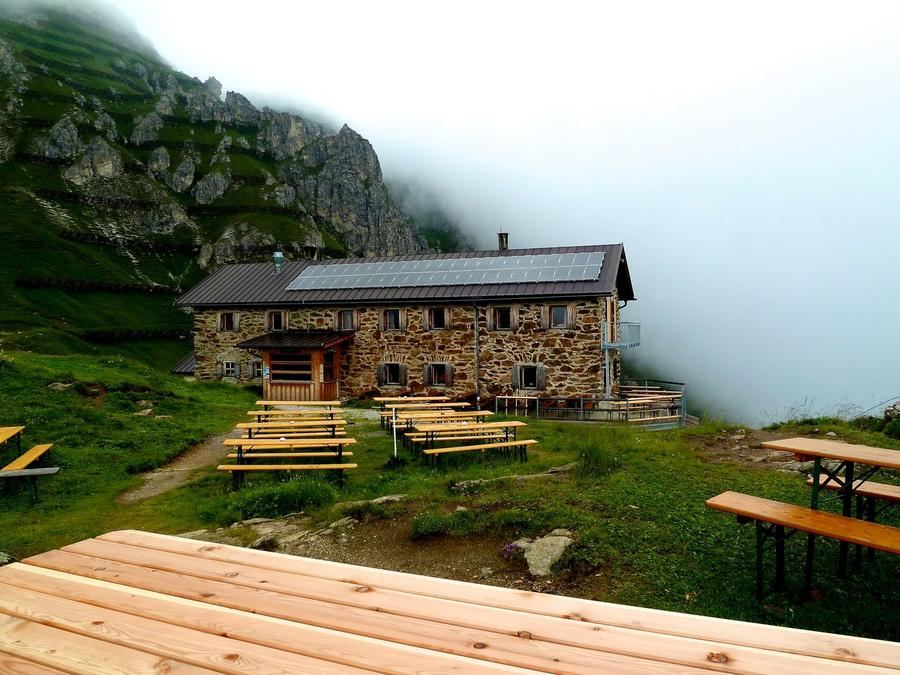
Stages and huts. Day one climbs from Hinterstoder past an emerald pond (Schiederweiner) beneath Spitzmauer's north face to Prielschutzhaus (1,420 m). Directly from the hut departs the Priel-Klettersteig, according to the Alpenverein, Austria's longest via ferrata (difficulty D), if you want an extra day and proper ironmongery. Day two is the king: ascent over Großer Priel and descent to the karst plateau to rustic Pühringerhütte by Lake Elmsee. Day three traverses the plateau to Albert-Appel-Haus (1,638 m) on Henaralm, opened August 5, 1928, named after Albert Appel (1871–1947), founder of what became the Austrian tourism federation. En route you pass Lakes Lahngangseen where you can jump in the water. Final day drops from bare height back into green, down to Grundlsee and a choice: beer or Styrian lake.
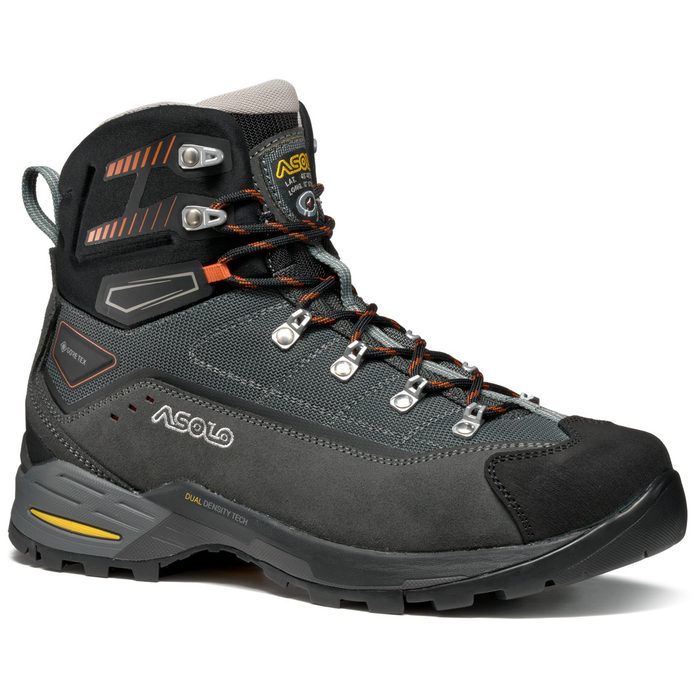
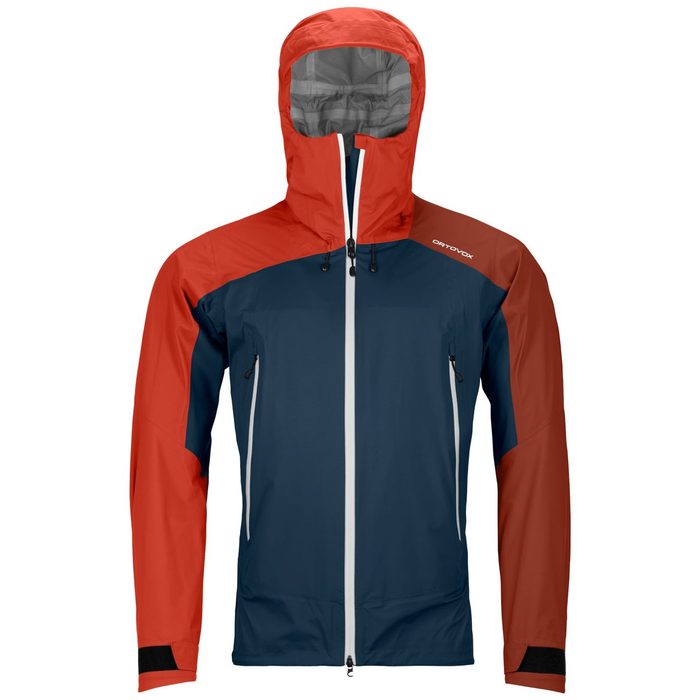
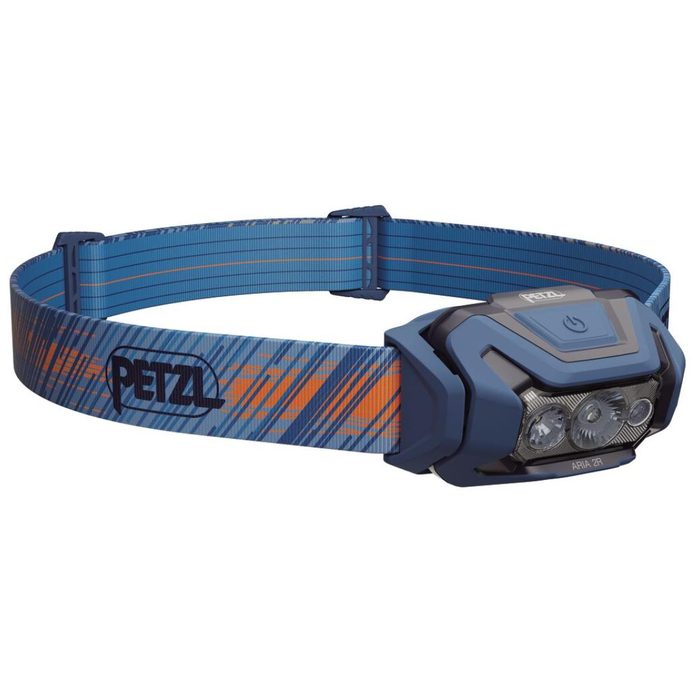
Who should go? Fit hikers with a sure foot and sound head for exposure. Not complete beginners, 2,500 metres of gain and a day over Priel with cables demands fitness and respect. Via ferrata is not mandatory; high alpine gear is: solid boots, waterproof, weather reserve. Little shelter exists on the plateau.
When to go? Huts in Totes Gebirge operate roughly June through October, but snow persists in gullies and the plateau becomes a navigation trap in fog. Best: late July through September with clear visibility and dry stone.
How to book? Reserve beds at Prielschutzhaus, Pühringerhütte, and Albert-Appel-Haus in advance through Alpenverein or directly with each hut, peak season and weekends fill quickly. Alpenverein membership lowers bed rates and covers rescue in emergencies.
Dead Mountains. A name promising desolation, yet it lands you sleeping beside a lake. Water vanishes underground here, and you walk the thin crust above it. Will you?
Pick a start date, for every night on the route you instantly see the free beds and book directly through the official Alpenverein system.



 AT
AT DE
DE CH
CH EN
EN FR
FR IT
IT NL
NL SL
SL SK
SK CZ
CZ