Seven limestone teeth bared over the Rhône lowlands so sharply that you can see them from Montreux — thirty kilometres away across all of Lake Geneva. Dents du Midi, the "midday teeth", aren't one mountain. They're a seven-summit ridge: Cime de l'Est, Forteresse, Cathédrale, Éperon, Dent Jaune, Les Doigts and highest Haute Cime (3257 m). Together they make a postcard the whole Valais knows. And you won't go around this ridge from a hotel terrace. You'll go around it close, all the way, in four days.
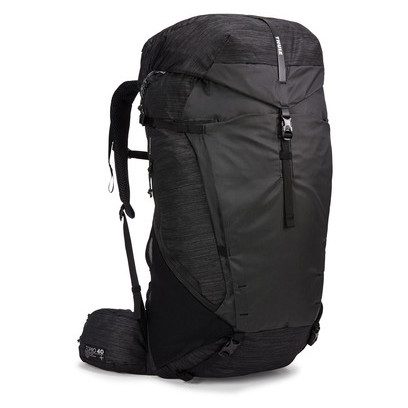
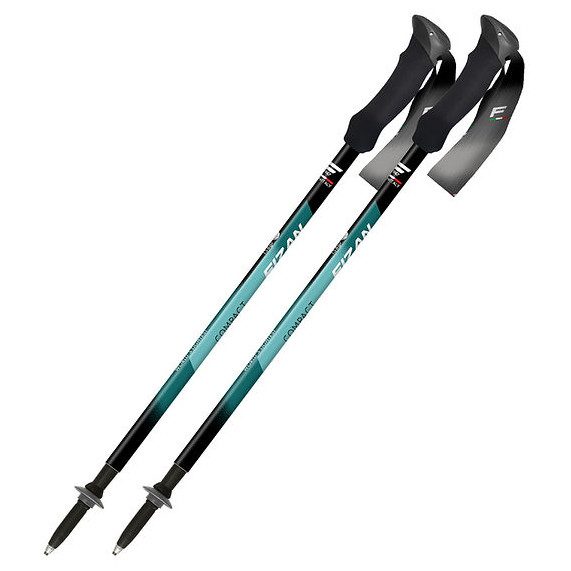
Tour des Dents du Midi is a loop from and back to Champéry. Fifty kilometres, four and a half thousand metres of ascent. It's not a Sunday stroll — it sits on "hard" in the guide and means it. Pack on your back, hut at night, terrain between that pays attention to you.
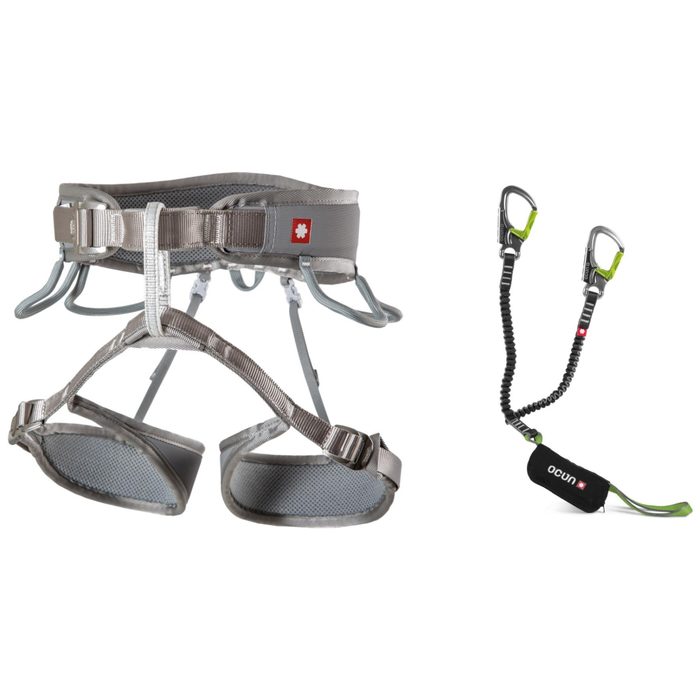
The sharpest moment bears the name Pas d'Encel. A steep rocky gully anchored with steel cable and chains, where your hands suddenly remember they can climb too. It's not via ferrata in the strict sense — it's a mountain path with iron handholds on the exposed bit. From there you climb to Col de Susanfe (2494 m), the loop's highest point, unless you add a push to Haute Cime itself.
Why does this ridge look like a saw blade? Limestone, time and ice. Dents du Midi are limestone thrust up by the collision of Africa and Europe roughly sixty million years ago. The last glaciation (Würm) then sculpted the massif into those characteristic teeth. Three glaciers hang on the flanks — Plan Névé, Chalin and Soi — the last white traces in otherwise grey stone.
Water writes its own chapters here. You pass Lac d'Antème, a small high-altitude tarn, then the reservoir Lac de Salanfe at 1925 m. From a seep in that dam, spring thermal water discovered in 1953 — mountains that heat from within.
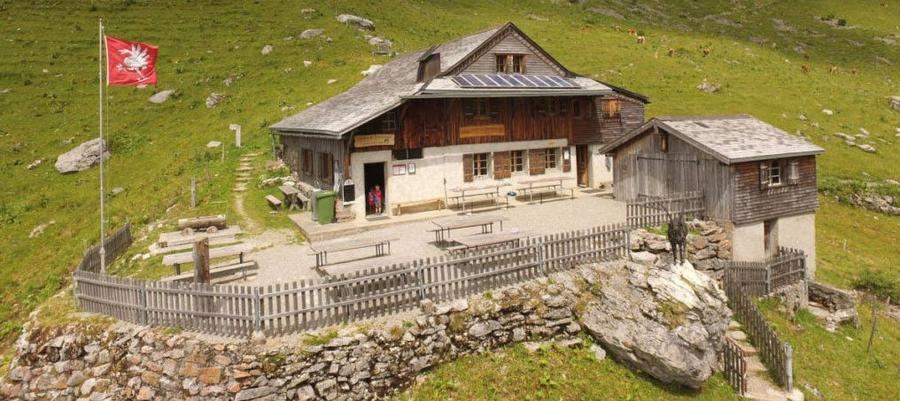
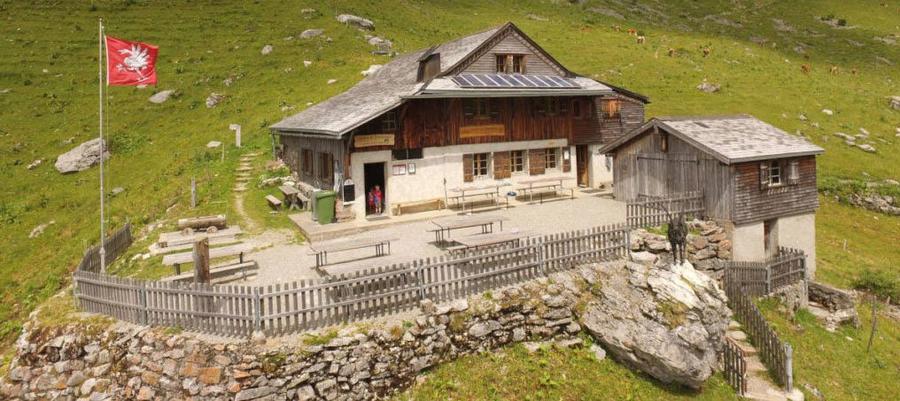
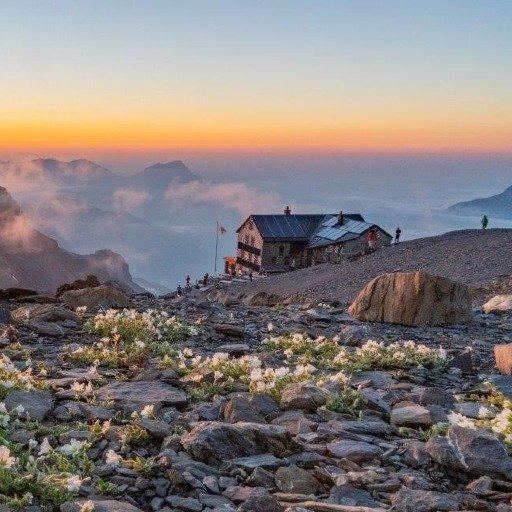
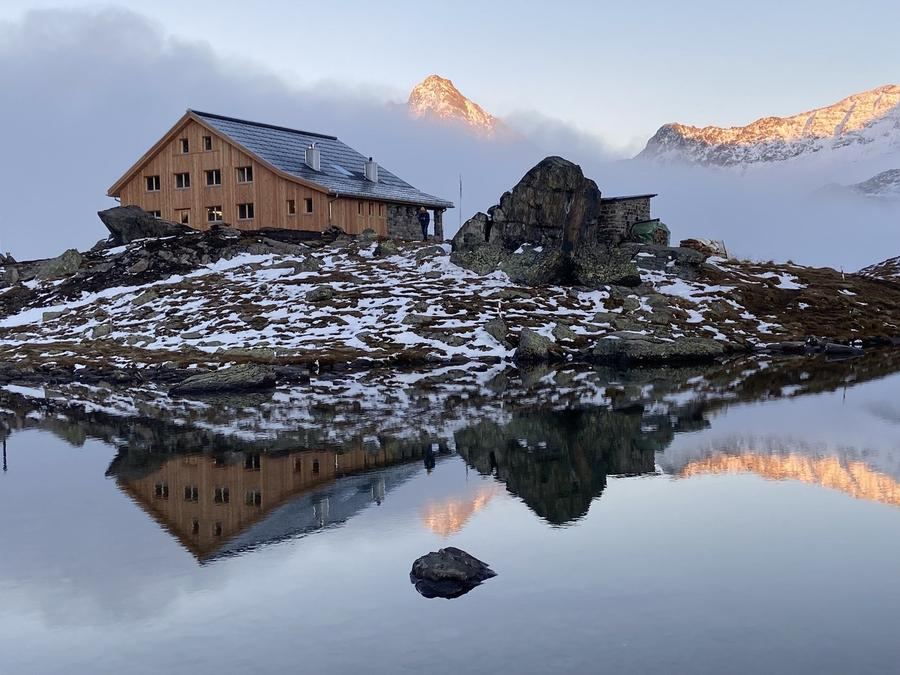
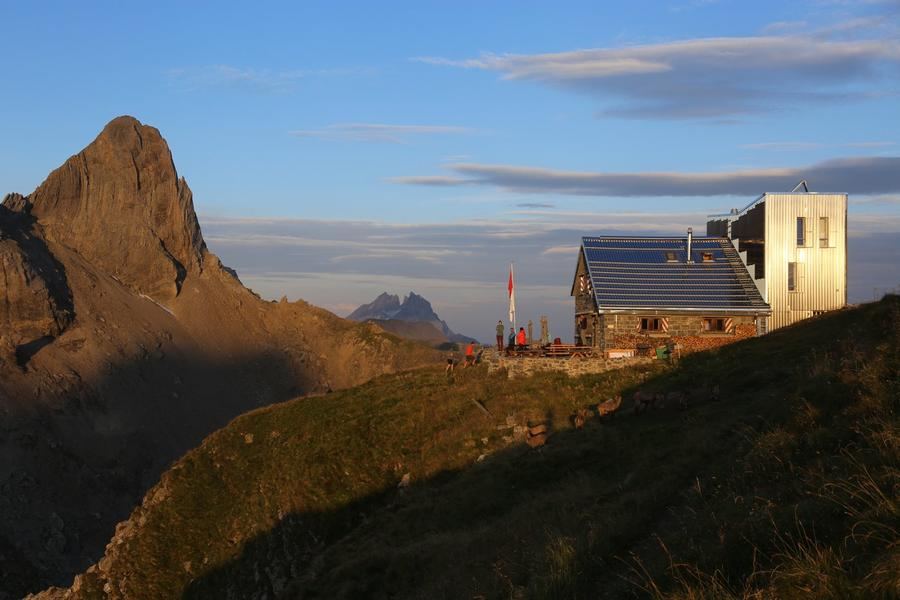
You sleep in solid mountain huts. Refuge de Bonavau high above Champéry (around 1636 m). Auberge de Salanfe by the reservoir. And the loop's jewel, Cabane de Susanfe (2102 m) — a stone hut from 1932 right below Haute Cime, managed by the Swiss Alpine Club (Yverdon section). Seventy-two beds in three dormitories, no shower, no signal. Exactly why over two and a half thousand people pass through each year — because these are mountains without wifi, as they should be.
A bit of history: the loop came together in 1972 and is credited as the pioneer of Valais's long-distance routes — the "tour" that others learned from. Nearly forty years it was promoted by a mountain marathon run here. And Haute Cime presides over it all, first summited way back in 1784 by a vicar from Val-d'Illiez, long before anyone came to the Alps for fun.
Who is it for? Experienced trekkers with a solid foot, capable of one steep secured section and comfortable with sleeping on a bunk. Not for complete beginners. When to go? June to October, depending on snow — outside that window firn lies on the passes and huts are closed.
Booking is necessity, not detail. Huts on the loop fill up; Cabane de Susanfe falls under the Swiss Alpine Club (CAS/SAC) and books through the official portal dentsdumidi.ch. Don't head uphill without a confirmed bed.
Champéry lets you in and bids you farewell by the same gate — and the final metres back lead through the blasted-out rock gallery Galerie Défago. You enter darkness, emerge into the village. And the seven teeth smile at you from the horizon — now you know how they look close up.
Pick a start date — for every night on the route you instantly see the free beds and book directly through the official Alpenverein system.




 AT
AT DE
DE CH
CH EN
EN FR
FR IT
IT NL
NL SL
SL SK
SK CZ
CZ